|
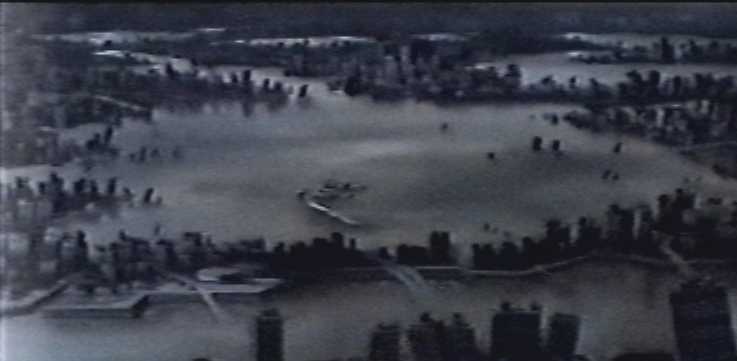 Today, Lost Angeles is the home of
scores of refugee's, nomads, immigrants and
criminals. Life here is hard, most areas are
completely without food, clean water, or
electricity. Today, Lost Angeles is the home of
scores of refugee's, nomads, immigrants and
criminals. Life here is hard, most areas are
completely without food, clean water, or
electricity.
Travel is
treacherous, and warring clans mean extreme care
must be placed in where you find yourself.
Food is the easiest solved problem as long as you
like fish, although some of the clans have
resorted to cannibalism.
Windmills, and
waterwheels have been erected to generate
electricity in some parts of the ruins, while in
others they make due with gas powered
generators.
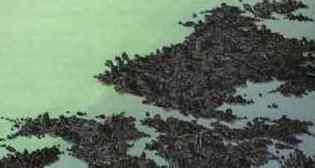 The only real export
of the area is salvage, and trade with the
aquatic nomads is a large part of the continued
survival of the Angelinos. The wall built to
cordon off the city still stands, now with armed
border patrol guards to keep
anyone from Lost Angeles from entering the
city. In response, patrols are set up along
the outskirts of Lost Angeles by the clans,
consisting of ski boats and whatever other fast
water craft they can muster to keep outsiders
away. They will usually make contact before
attacking to find out the purpose of the visitors,
but some clans, specifically the Southern clan
have been known to attack first, especially if
the visitors appear threatening. The only real export
of the area is salvage, and trade with the
aquatic nomads is a large part of the continued
survival of the Angelinos. The wall built to
cordon off the city still stands, now with armed
border patrol guards to keep
anyone from Lost Angeles from entering the
city. In response, patrols are set up along
the outskirts of Lost Angeles by the clans,
consisting of ski boats and whatever other fast
water craft they can muster to keep outsiders
away. They will usually make contact before
attacking to find out the purpose of the visitors,
but some clans, specifically the Southern clan
have been known to attack first, especially if
the visitors appear threatening.
 Lost Angeles is the
perfect spot to hide, as it is a no man's land no
county, state, or government has
jurisdiction there. This also makes it the
ideal place to smuggle things in and out of the
country. Of course this also means the government
or anyone else can attack it, whenever, and with
whatever, they like. Lost Angeles is the
perfect spot to hide, as it is a no man's land no
county, state, or government has
jurisdiction there. This also makes it the
ideal place to smuggle things in and out of the
country. Of course this also means the government
or anyone else can attack it, whenever, and with
whatever, they like.
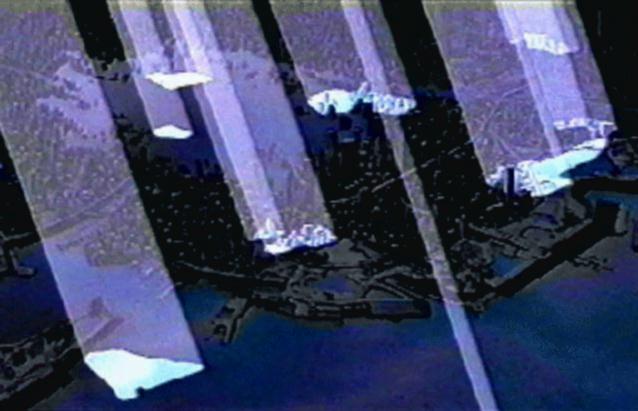 The foolish can
often be seen entering the ruins in search of
treasure, never to be seen again. The ruins
still hold the federal reserve, several large
banks and other such institutions. And the
promise of their riches is a great call
indeed. Anything above the water has been
thoroughly looted. Some outsiders use LA as
a hiding place for goods, or to smuggle goods in
and out of the country. These people usually
have relationships with one or more of the clans,
to act as guides and/or protection. The foolish can
often be seen entering the ruins in search of
treasure, never to be seen again. The ruins
still hold the federal reserve, several large
banks and other such institutions. And the
promise of their riches is a great call
indeed. Anything above the water has been
thoroughly looted. Some outsiders use LA as
a hiding place for goods, or to smuggle goods in
and out of the country. These people usually
have relationships with one or more of the clans,
to act as guides and/or protection.
Several
languages are spoken here, with the most common
being a variation on streetslang, with Spanish and
Chinese being the primary contributors.
|