ON
THE ROAD AGAIN: TYPICAL CARAVAN STRUCTURE

A large part of the birth of the Nomad Movement was the influx of disenfranchised survivors of The Long Walk. Due to the high number of military contractors and personnel involved, the nomad convoys and caravans have since taken on a rather disciplined structure as a response to attacks from Raffen Shiv, Police, and even the military. The following is a brief breakdown of the traveling order of most nomads traveling in groups large than 5.
1.
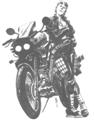 Scout
– The
scout
will ride ahead of the group, in relatively safe conditions he
may
range
as far ahead as ten miles. His job is to make sure the
road ahead
is safe,
alert the main group of any obstacles or potential dangers,
clear any
hazards
or obstacles he is capable of, and find alternate routes if
need
be. The Scout
reports in on a regular basis, usually once every half
hour. In
situations
where danger or trouble is expected, the Scout will remain
much closer
to the
Caravan, usually no more than a mile, and he will report in
far more
frequently,
if not remaining in constant contact. The Scout is the
first line
of defense,
and is typically the most dangerous position in the
caravan. It
is not
uncommon for even small caravans to have multiple scouts,
riding
together or at
separate increments depending on the level of danger expected.
If the
Scout is
attacked, his first duty, even before defense, is to report
it.
From there he
and the caravans leader must decide whether he is to try and
lead the
attackers
away, or to fall back for reinforcements. Most of the
time this
works well as
a tactic for ferreting out Raffen Shiv or other hostiles,
however some
Raffen
Shiv have wised up, and will allow the scout to pass
unmolested before
springing an ambush on the main caravan. If the
caravan is
attacked on the
road, the Scout is either to remain ahead, plotting escape
routes for
the
convoy, or to fall back and give assistance. Scouts
typically
ride motorcycles
or very light off-road vehicles.
Scout
– The
scout
will ride ahead of the group, in relatively safe conditions he
may
range
as far ahead as ten miles. His job is to make sure the
road ahead
is safe,
alert the main group of any obstacles or potential dangers,
clear any
hazards
or obstacles he is capable of, and find alternate routes if
need
be. The Scout
reports in on a regular basis, usually once every half
hour. In
situations
where danger or trouble is expected, the Scout will remain
much closer
to the
Caravan, usually no more than a mile, and he will report in
far more
frequently,
if not remaining in constant contact. The Scout is the
first line
of defense,
and is typically the most dangerous position in the
caravan. It
is not
uncommon for even small caravans to have multiple scouts,
riding
together or at
separate increments depending on the level of danger expected.
If the
Scout is
attacked, his first duty, even before defense, is to report
it.
From there he
and the caravans leader must decide whether he is to try and
lead the
attackers
away, or to fall back for reinforcements. Most of the
time this
works well as
a tactic for ferreting out Raffen Shiv or other hostiles,
however some
Raffen
Shiv have wised up, and will allow the scout to pass
unmolested before
springing an ambush on the main caravan. If the
caravan is
attacked on the
road, the Scout is either to remain ahead, plotting escape
routes for
the
convoy, or to fall back and give assistance. Scouts
typically
ride motorcycles
or very light off-road vehicles.
2. Outriders – Outriders surround the caravan, they are the Road Warriors whose job it is to protect the main group. If you think of the Caravan as a bomber group, the outriders are its fighter escort. They ride small light vehicles, speed and maneuverability is key. Even if the vehicles aren’t armed, the driver and any passengers will be, often with multiple weapons at the ready so they don’t have to waste time reloading. Typically on a one lane stretch there will be outriders in front or back, and depending on umbers some scattered throughout the convoy as well. On two or more lanes they will ride alongside if they are expecting trouble or if there is no traffic. In low traffic situations the caravan will remain single file, but any time a vehicle passes an outrider will move behind the passing vehicle, and one of the front outriders will cycle back to the rear. I heavy traffic the convoy will stay single file, with the at least one outrider still at front and back in close formations while any other outriders are dispersed as evenly as possible throughout the caravan.
3.
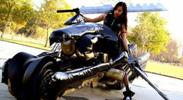 The
Main
Group – The
main
group is comprised of the larger/slower vehicles. Cargo
movers, support
vehicles, people carriers, and anything else. Cargo
vehicles will
typically be
either at front or in the back, this is done so that if
necessary they
can
separate from the group and lead attackers away, sacrificing
the crew
and cargo
for the survival of the group. Support vehicles will
ride ahead
of the rear
cargo vehicles, and vehicles carrying people will ride behind
the
forward cargo
vehicles, ready to pull out and ride ahead and scatter at
first chance,
while
the other vehicles slow enough to cover their escape. If
possible
at least one
outrider will accompany the people movers in their escape, in
case
there are
more enemies down the road. Once the non-combat family
members
are safe, the
focus is on protecting as many of the cargo haulers as
possible.
The support
vehicles can try and break away and rejoin the convoy later,
or they
may stay
and fight if they have the weapons, but they are considered
expendable
in
regards to the cargo. The Outriders that remain will
fight to the
death to
protect the cargo and whatever is left of the main group that
couldn’t
escape.
The
Main
Group – The
main
group is comprised of the larger/slower vehicles. Cargo
movers, support
vehicles, people carriers, and anything else. Cargo
vehicles will
typically be
either at front or in the back, this is done so that if
necessary they
can
separate from the group and lead attackers away, sacrificing
the crew
and cargo
for the survival of the group. Support vehicles will
ride ahead
of the rear
cargo vehicles, and vehicles carrying people will ride behind
the
forward cargo
vehicles, ready to pull out and ride ahead and scatter at
first chance,
while
the other vehicles slow enough to cover their escape. If
possible
at least one
outrider will accompany the people movers in their escape, in
case
there are
more enemies down the road. Once the non-combat family
members
are safe, the
focus is on protecting as many of the cargo haulers as
possible.
The support
vehicles can try and break away and rejoin the convoy later,
or they
may stay
and fight if they have the weapons, but they are considered
expendable
in
regards to the cargo. The Outriders that remain will
fight to the
death to
protect the cargo and whatever is left of the main group that
couldn’t
escape.
4. Aircraft – Not many nomad groups have aircraft, but the ones that due typically use them as scouts, possibly even as air support if they are armed.
Even
in small groups, the lighter faster, more heavily
armed vehicles will typically, and naturally, surround and
protect the
larger
or slower vehicles. When camping or at rest, even in a Nomad
Market,
Nomads
will typically circle their vehicles, with the largest and
most heavily
armored
vehicles on the outside for protection. At refueling
stations
half the
outriders will refual first, then the main group, then the
other half
or the
outriders. When arriving at a delivery destination,
especially if
it is in a
city, the main group will hang back and camp at a safe place,
and only
the
Cargo hauling vehicle(s) will move to the unloading site,
usually
accompanied
by one outrider, almost never more than two.
Written by Deric
"D" Bernier