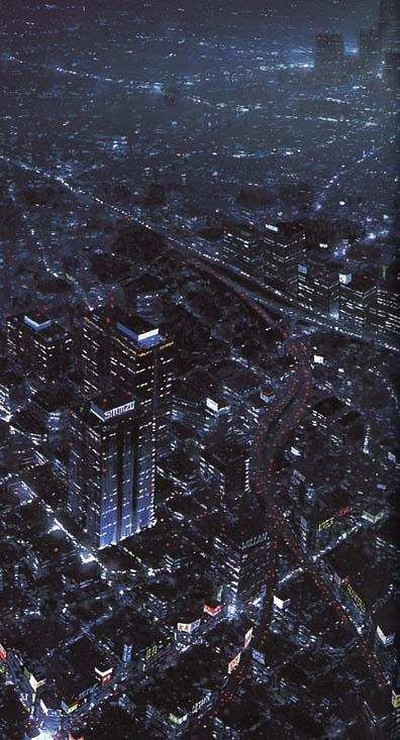
MEXICO CITY
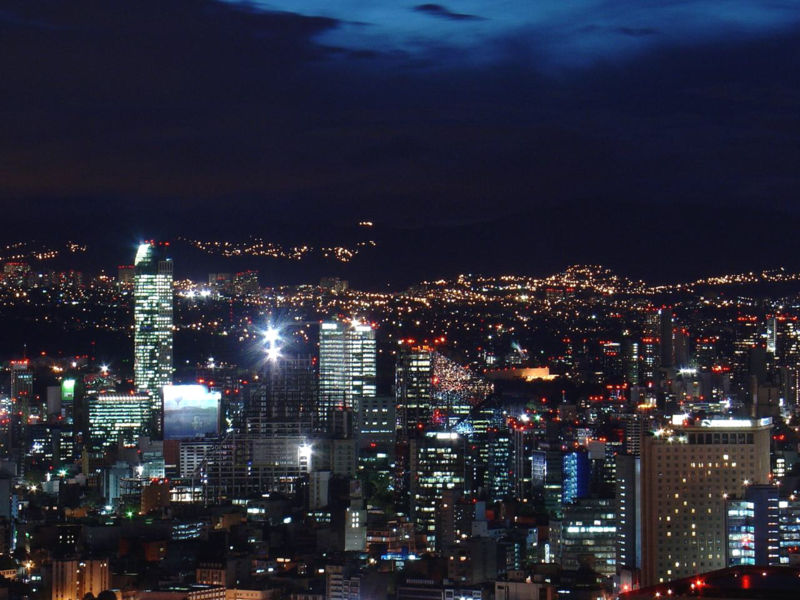
 Mexico
City is the largest metropolitan area in the western hemisphere and the
second largest city in the world, second only to Tokyo. With a
population of over 24 million, over a quarter of the entire Mexican
population resides here. For a long time, the city was little
more than a giant barrio, with small isolated safe areas renowned for
their historical or economical importance. Then the one-two punch
of the collapse and the Earthquake of 1995 hit, destroying the
city. People were already dying from the wasting plague and
starvation before the quake, in the midst of a world economic crisis,
there was simply no country that could afford to provide aid, and when
the quake hit (measured at a 9 on the Richter Scale), it was the final
straw. The quake and its aftershocks was responsible for the
deaths of over 1.5 million people in the worst earthquake ever
recorded. The death toll didn't stop there, the economy was
devastated, and in addition to the wasting plague still lingering in
the country now Cholera became a very real epidemic. By the end
of the collapse the death toll in Mexico city had reached over 12
million.
Mexico
City is the largest metropolitan area in the western hemisphere and the
second largest city in the world, second only to Tokyo. With a
population of over 24 million, over a quarter of the entire Mexican
population resides here. For a long time, the city was little
more than a giant barrio, with small isolated safe areas renowned for
their historical or economical importance. Then the one-two punch
of the collapse and the Earthquake of 1995 hit, destroying the
city. People were already dying from the wasting plague and
starvation before the quake, in the midst of a world economic crisis,
there was simply no country that could afford to provide aid, and when
the quake hit (measured at a 9 on the Richter Scale), it was the final
straw. The quake and its aftershocks was responsible for the
deaths of over 1.5 million people in the worst earthquake ever
recorded. The death toll didn't stop there, the economy was
devastated, and in addition to the wasting plague still lingering in
the country now Cholera became a very real epidemic. By the end
of the collapse the death toll in Mexico city had reached over 12
million.
 It wasn't until
2000 that Mexico could even begin to rebuild its capitol. Even
then, finding enough laborers to even start was proving difficult
amongst the highly religious people, rumors of ghosts and demons
roaming the graveyard of a city proved more than many locals could
handle, especially since many bodies were still undiscovered. An
agreement was made with the nomad Aldecaldo Clan, who descended on the
city as heroes. With their expertise, the rebuilding of Mexico
City was soon underway, bigger and better than ever before. It
was decided that the city would be modernized. Historical sites
would be preserved where it was possible, but everything else would be
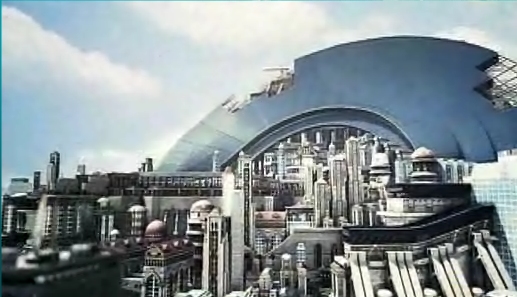
demolished. They worked from the inside out, first building the
Massive arcology, and outfitting it with the latest solar panel
technology to provide energy enough for the work to continue.
Upon the arcologies completion, Capitol offices, government facilities,
and utility companies were
It wasn't until
2000 that Mexico could even begin to rebuild its capitol. Even
then, finding enough laborers to even start was proving difficult
amongst the highly religious people, rumors of ghosts and demons
roaming the graveyard of a city proved more than many locals could
handle, especially since many bodies were still undiscovered. An
agreement was made with the nomad Aldecaldo Clan, who descended on the
city as heroes. With their expertise, the rebuilding of Mexico
City was soon underway, bigger and better than ever before. It
was decided that the city would be modernized. Historical sites
would be preserved where it was possible, but everything else would be
demolished. They worked from the inside out, first building the
Massive arcology, and outfitting it with the latest solar panel
technology to provide energy enough for the work to continue.
Upon the arcologies completion, Capitol offices, government facilities,
and utility companies were immediately placed
in the structure. It is said that the entire country is run from
the massive arcology at the heart of Mexico City. The
reconstruction was slow and grueling, but in 2013 it was finally
completed. The new city was magnificent. The best in modern
construction techniques were implemented to full effect.
immediately placed
in the structure. It is said that the entire country is run from
the massive arcology at the heart of Mexico City. The
reconstruction was slow and grueling, but in 2013 it was finally
completed. The new city was magnificent. The best in modern
construction techniques were implemented to full effect.
Mexico City is now unrecognizable compared to the pre-quake
district. And with the Mexican economy flourishing like never
before, it is the true jewel of the Americas. Many of the
historical and artistic sites were either saved or rebuilt, and sit
tastefully amongst modern glass and steel structures. All
buildings erected in Mexico City must be reinforced to withstand a
category 8 earthquake as a preventative measure against such a tragedy
ever occurring again.
The Cuidad arcology itself is massive, and is the
economic and governmental heart of Mexico. One of the largest
ever built, in addition to the government and utility headquarters it
also provides living spaces for some 2 people, as well as several
shopping centers. Many people living in the arcology rarely
venture outside. Those that do however are treated to the glory
of Mexico City itself, a shining metropolis built over the graves of
its own third world past. Cheap, affordable housing is abundant,
an anyone who is willing to hold down a job need not fear going without
food or comfortable shelter. The police forces inside the city
are efficient, though somewhat overzealous. The mass government
corruption has been virtually abolished in Mexico City, and every level
of government here is scrutinized thouroughly. Even before the
reconstruction was completed, Mexico City's population began to surge
again, as people from outlying areas, and illegal immigrants from North
America flocked here for the employment opportunities.
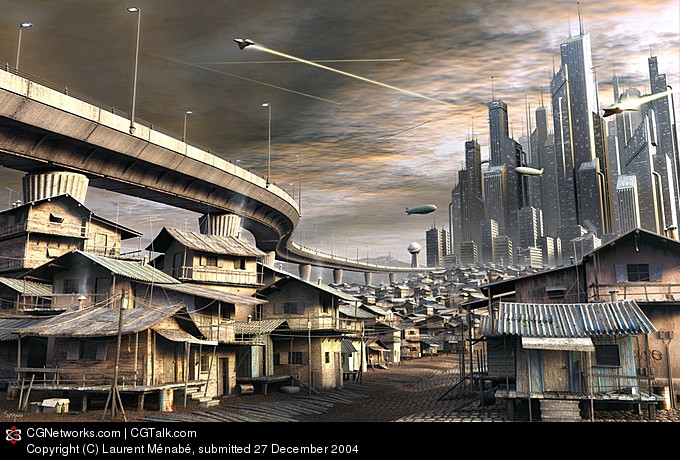 Of course, the city
is not free from its share of problems. Even a city this size
can't support everyone, and enormous shanty towns and barrios have
sprung up around its borders. Mostly these are populated by those
unable, or unwilling to find honest employment inside the city
itself. It is a haven for criminal activity, and police don't
venture into these areas in groups of less than 20. Gangs, not
tolerated in the city itself, are fully in control of these areas and
fight with each other over territory constantly.
Of course, the city
is not free from its share of problems. Even a city this size
can't support everyone, and enormous shanty towns and barrios have
sprung up around its borders. Mostly these are populated by those
unable, or unwilling to find honest employment inside the city
itself. It is a haven for criminal activity, and police don't
venture into these areas in groups of less than 20. Gangs, not
tolerated in the city itself, are fully in control of these areas and
fight with each other over territory constantly.
Despite the best police efforts, the gangs have been able to expand
into the city and are in a constant struggle with police, and nomads,
over control of the District of Delegación
Cuauhtémoc, most notable for Tepito, Mexico Cities massive flea
market.  Tepito is almost
stand alone as a nomad market, in that it is actually placed inside the
city limits. This once again illustrates the affection mexicans
have for nomads. The Tepito Market is clean and somewhat
organized, making it the
Tepito is almost
stand alone as a nomad market, in that it is actually placed inside the
city limits. This once again illustrates the affection mexicans
have for nomads. The Tepito Market is clean and somewhat
organized, making it the 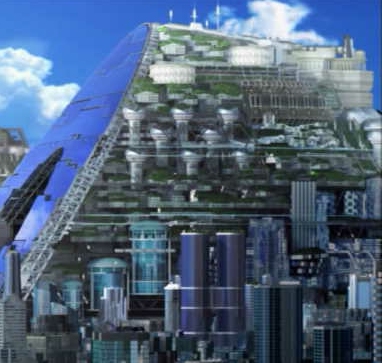 only Nomad Market in the western
Hemisphere of
its kind. Conflicts between the nomads and the gangs are minimal,
as the local police are more than ready to step in and eliminate any
conflict. Yet another unique feature to this Nomad Market, the
mutual tolerance and respect of the nomads and the police. Other
than that, Tepito is the same as any market anywhere in the world, only
on a massive scale. Anything can be found here, the latest
bootlegs, technology, drugs, weapons, and more. There are rumors
of a slave market, but no investigation has ever yielded anything.
only Nomad Market in the western
Hemisphere of
its kind. Conflicts between the nomads and the gangs are minimal,
as the local police are more than ready to step in and eliminate any
conflict. Yet another unique feature to this Nomad Market, the
mutual tolerance and respect of the nomads and the police. Other
than that, Tepito is the same as any market anywhere in the world, only
on a massive scale. Anything can be found here, the latest
bootlegs, technology, drugs, weapons, and more. There are rumors
of a slave market, but no investigation has ever yielded anything.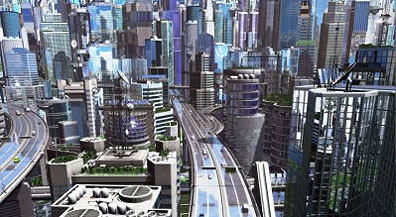
Despite the modernization of Mexico, the native population
remains
highly religious, and the locals are almost exclusively Catholic.
And while religion plays a pat in the
lawmaking, trends towards a more
liberal government have begun taking
effect. Prostitution is
legal and regulated, though restricted to
certain "red districts",
abortion is legal, but very much frowned upon.
The biggest danger to tourists and any caucasion in the city comes from
kidnapping for ransom. While this is rarely a problem in Mexico
City proper, visiting tourists are advised to avoid the barrios and
market.
(Written
by Deric Bernier)