| POPULATION: |
|
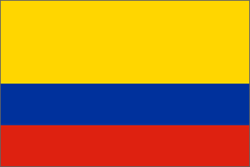 |
| LITERACY RATE: |
|
|
| SELF DEFENSE FORCES: |
|
|
| LANGUAGES: |
|
|
| ETHNIC GROUPS: |
|
|
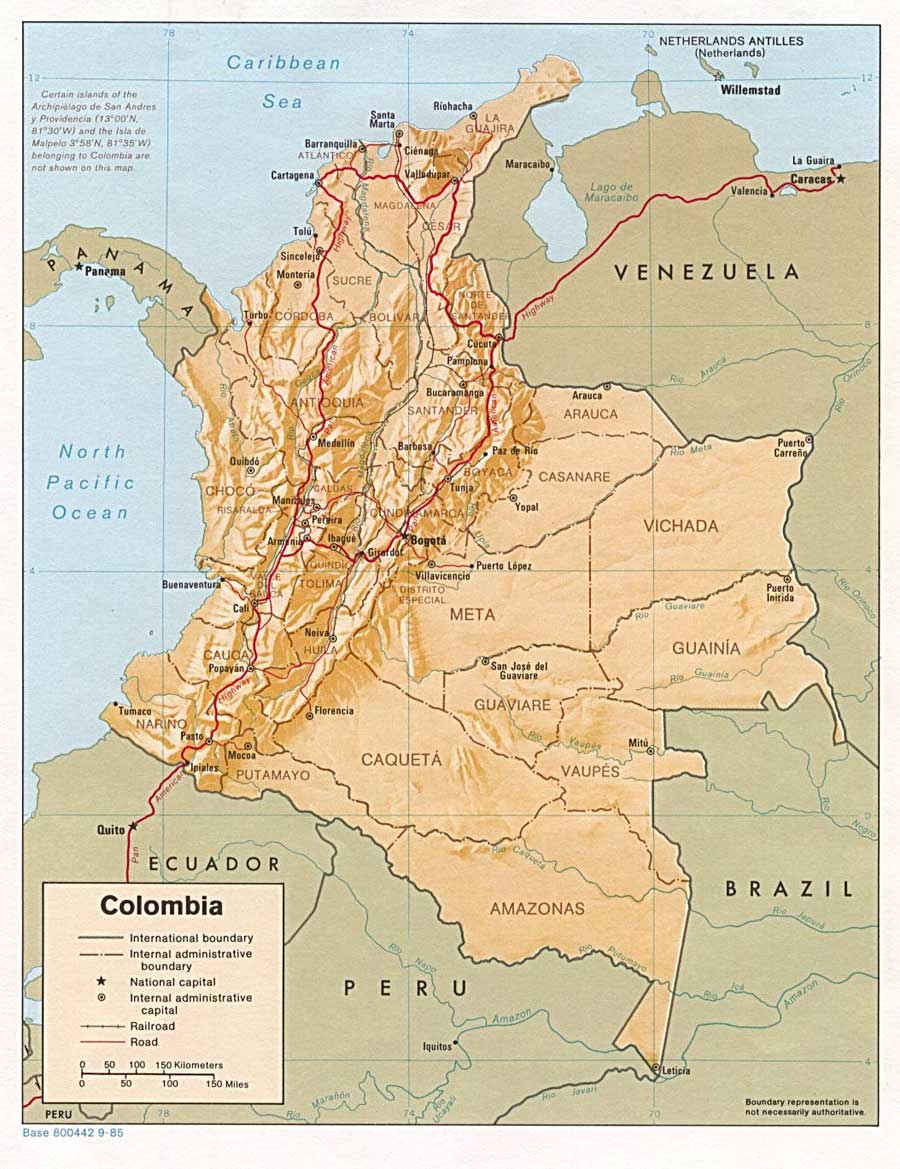
| BORDERING COUNTRIES: |
|
| POPULATION: |
|
|
| LITERACY RATE: |
|
|
| SELF DEFENSE FORCES: |
|
|
| LANGUAGES: |
|
|
| ETHNIC GROUPS: |
|
|
| BORDERING COUNTRIES: |
|
 wants to do
something to rid the corruption from his country he is quickly shut
down, by threat, assassination, or kidnapping of relatives.
Corporations have completely pulled out of the region, kidnappings for
ransom by the various cartels made it all but impossible for anyone to
operate there, though agri-corps and logging corporations are chomping
at the bit to regain a foothold in the country. With the loss of
corporate dollars, the area relies solely on the drug trade to survive.
Columbia would have gone ahead and made the cultivation and sale of
cocaine legal, but everytime they suggest it, the UN threatens full
scale invasion. This means technically it is illegal, but no one in the
government has the power to even arrest the lowest street dealer. Of
course the UN threat is an empty one, since the nations with the most
clout in the UN are the ones covertly backing the major cartels. Of
course at home all these countries have their own "war on drugs" but
they only target the cartels backed by rival countries, which means a
lot of inconsequential busts and fighting along the cartels borders.
The largest amount of fighting happens within the cartels themselves,
backstabbing, assassination, and outright war among the members of any
given cartel over leadership and territory. Tourists don't come to
Columbia, no one comes to columbia except those in the drug trade or
those looking to oppose it. There are small rebel groups who do fight
the cartels, but have little to no effect. Columbia has been placed
under UN embargo, which makes trafficking a bit more difficult. This
means goods are usually smuggled through poorly maintained borders into
the neighboring countries and shipped at port.
wants to do
something to rid the corruption from his country he is quickly shut
down, by threat, assassination, or kidnapping of relatives.
Corporations have completely pulled out of the region, kidnappings for
ransom by the various cartels made it all but impossible for anyone to
operate there, though agri-corps and logging corporations are chomping
at the bit to regain a foothold in the country. With the loss of
corporate dollars, the area relies solely on the drug trade to survive.
Columbia would have gone ahead and made the cultivation and sale of
cocaine legal, but everytime they suggest it, the UN threatens full
scale invasion. This means technically it is illegal, but no one in the
government has the power to even arrest the lowest street dealer. Of
course the UN threat is an empty one, since the nations with the most
clout in the UN are the ones covertly backing the major cartels. Of
course at home all these countries have their own "war on drugs" but
they only target the cartels backed by rival countries, which means a
lot of inconsequential busts and fighting along the cartels borders.
The largest amount of fighting happens within the cartels themselves,
backstabbing, assassination, and outright war among the members of any
given cartel over leadership and territory. Tourists don't come to
Columbia, no one comes to columbia except those in the drug trade or
those looking to oppose it. There are small rebel groups who do fight
the cartels, but have little to no effect. Columbia has been placed
under UN embargo, which makes trafficking a bit more difficult. This
means goods are usually smuggled through poorly maintained borders into
the neighboring countries and shipped at port. (Written by Deric "D" Bernier)