| POPULATION: |
|
 |
| LITERACY RATE: |
|
|
| SELF DEFENSE FORCES: |
|
|
| LANGUAGES: |
|
|
| ETHNIC GROUPS: |
|
|
| BORDERING COUNTRIES: |
|
| POPULATION: |
|
|
| LITERACY RATE: |
|
|
| SELF DEFENSE FORCES: |
|
|
| LANGUAGES: |
|
|
| ETHNIC GROUPS: |
|
|
| BORDERING COUNTRIES: |
|
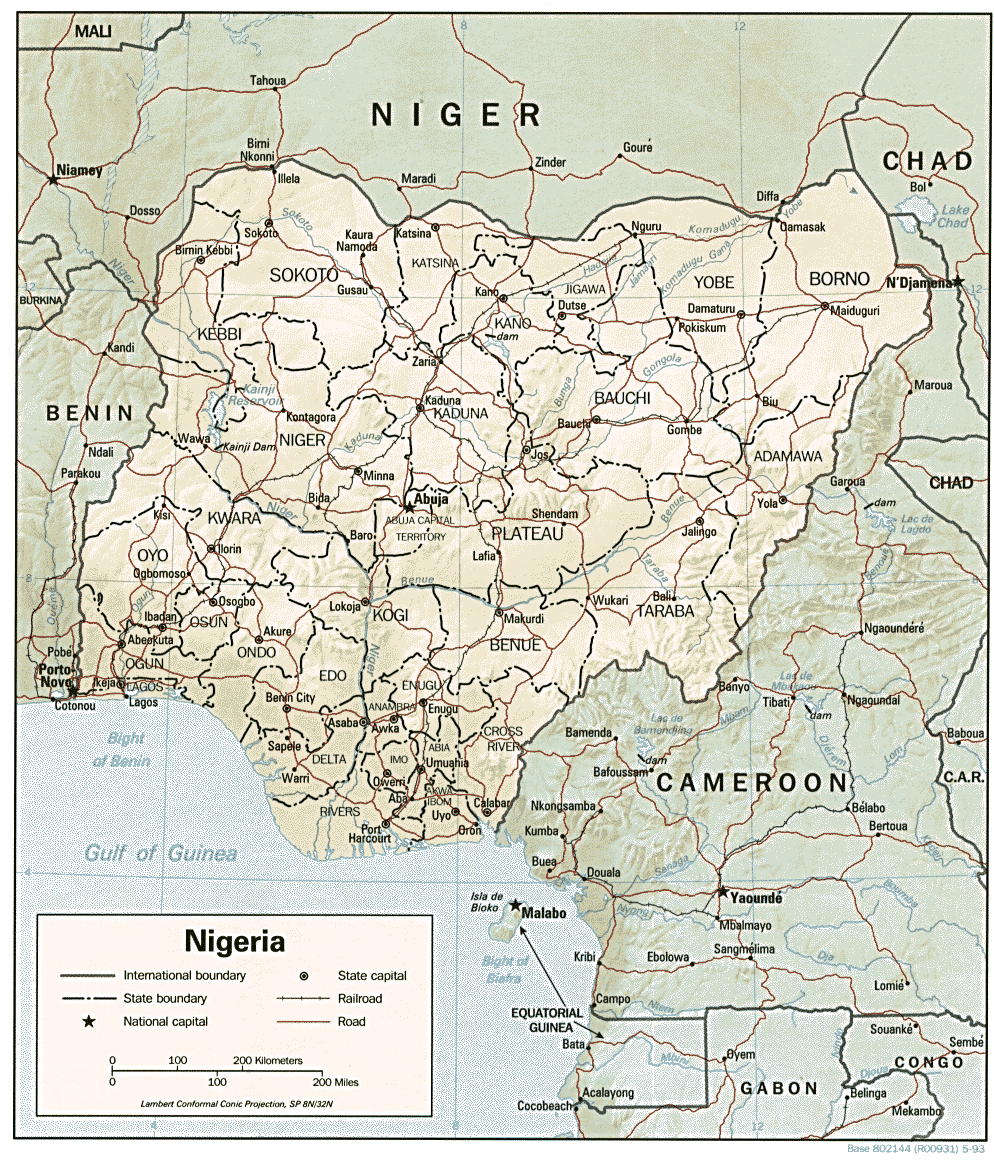 By overall population it doesn't seem as bad, as only about 30 percent
was hit, but when you realize that the 30 percent constitutes nearly 30
million people dead it takes on a new light. Bodies piled up on the
street and you could see the fires of the mass funeral pyres for miles
around. Nigeria went mad with grief, buildings and homes were burnt
to the ground or demolished, animals slaughtered, anything to stem the
flow of the disease. When it was all over the country was bankrupt
and in Shambles. and it spent a long time trying to recover, efforts
were futile at best. In 2004, after years of paranoid Isolationism
Nigeria finally pleads with the U.S. for help. America storms in,
first with the military to bring the rioting, tribal wars and banditry
to a halt, then with the corporations. Rebuilding is slow, made worse
by Nigeria's ever increasing hostilities with Liberia. Still things
begin to look better in the country, es are slowly rebuilt, though
the more remote areas are left to rot by the U.S., whose mission in Nigeria
is already over extended. The U.S. aid begins trickling back, and
instead of rebuilding the country any further the Americans begin building
Military bases to fortify their base of power in Africa. Nigeria
didn't complain, the U.S. had set up a puppet government who it kept fat
and happy. The people couldn't complain much either, they were given
construction jobs and even if they wanted to complain there wasn't much
they could do.
By overall population it doesn't seem as bad, as only about 30 percent
was hit, but when you realize that the 30 percent constitutes nearly 30
million people dead it takes on a new light. Bodies piled up on the
street and you could see the fires of the mass funeral pyres for miles
around. Nigeria went mad with grief, buildings and homes were burnt
to the ground or demolished, animals slaughtered, anything to stem the
flow of the disease. When it was all over the country was bankrupt
and in Shambles. and it spent a long time trying to recover, efforts
were futile at best. In 2004, after years of paranoid Isolationism
Nigeria finally pleads with the U.S. for help. America storms in,
first with the military to bring the rioting, tribal wars and banditry
to a halt, then with the corporations. Rebuilding is slow, made worse
by Nigeria's ever increasing hostilities with Liberia. Still things
begin to look better in the country, es are slowly rebuilt, though
the more remote areas are left to rot by the U.S., whose mission in Nigeria
is already over extended. The U.S. aid begins trickling back, and
instead of rebuilding the country any further the Americans begin building
Military bases to fortify their base of power in Africa. Nigeria
didn't complain, the U.S. had set up a puppet government who it kept fat
and happy. The people couldn't complain much either, they were given
construction jobs and even if they wanted to complain there wasn't much
they could do.
Hostilities with Liberia got worse, and Nigeria was deeply envious and resentful of Liberia due to their exclusive trade and shipping rights and began rebuilding their own army, armed with U.S. weapons. As tension and conflict with Liberia grew steadily worse things reached their inevitable conclusion and in 2018 war was declared. The U.S. opted to stay out of it, and Warned Nigeria that it would have no support in invasive actions. It was made clear that the U.S. was only there to protect the countries borders and their own interests. This led to initial rebel groups forming among the Nigerian military. Brief armed conflicts arose, but was quickly put down by the U.S. who threatened to pull out all together if it continued. All rebel activity stopped, but Nigeria's war with Liberia continued. Then in a radical move Ghana began reinforcing Nigeria's troops. How all this will be resolved remains to be seen. The American protectorship of Nigeria is putting a strain on Liberian-U.S. relations, but neither Liberia nor Nigeria can afford to lose U.S. revenue at the moment. However rumor has it that the EEC is currently trying to cut a deal with Liberia, if this happens it will certainly change the face of things for all involved.
(Written by Deric "D" Bernier.)